TRAILS OF THOUGHT
SOME GESTURES BY SAUL RAMIREZ (2024)
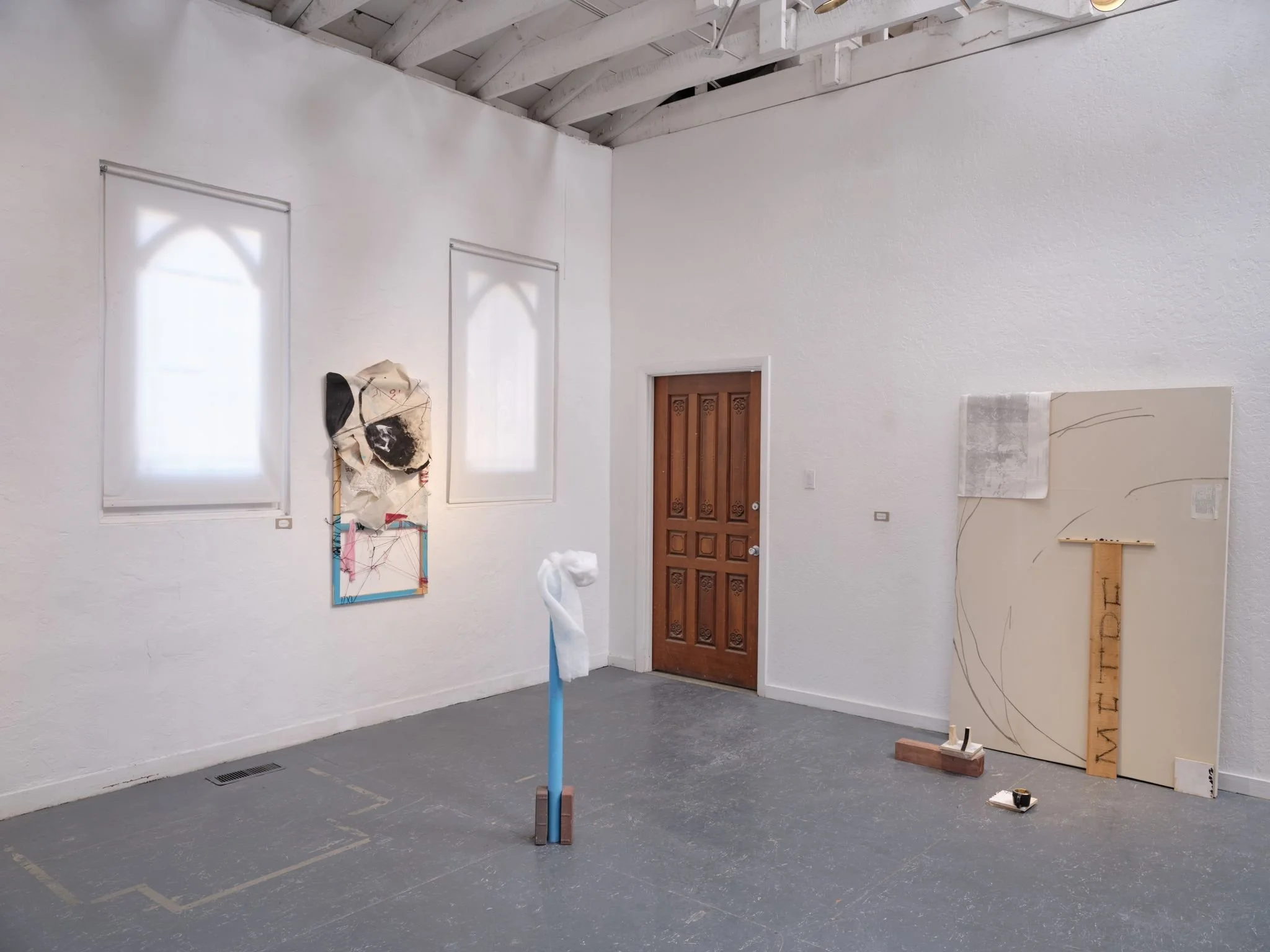
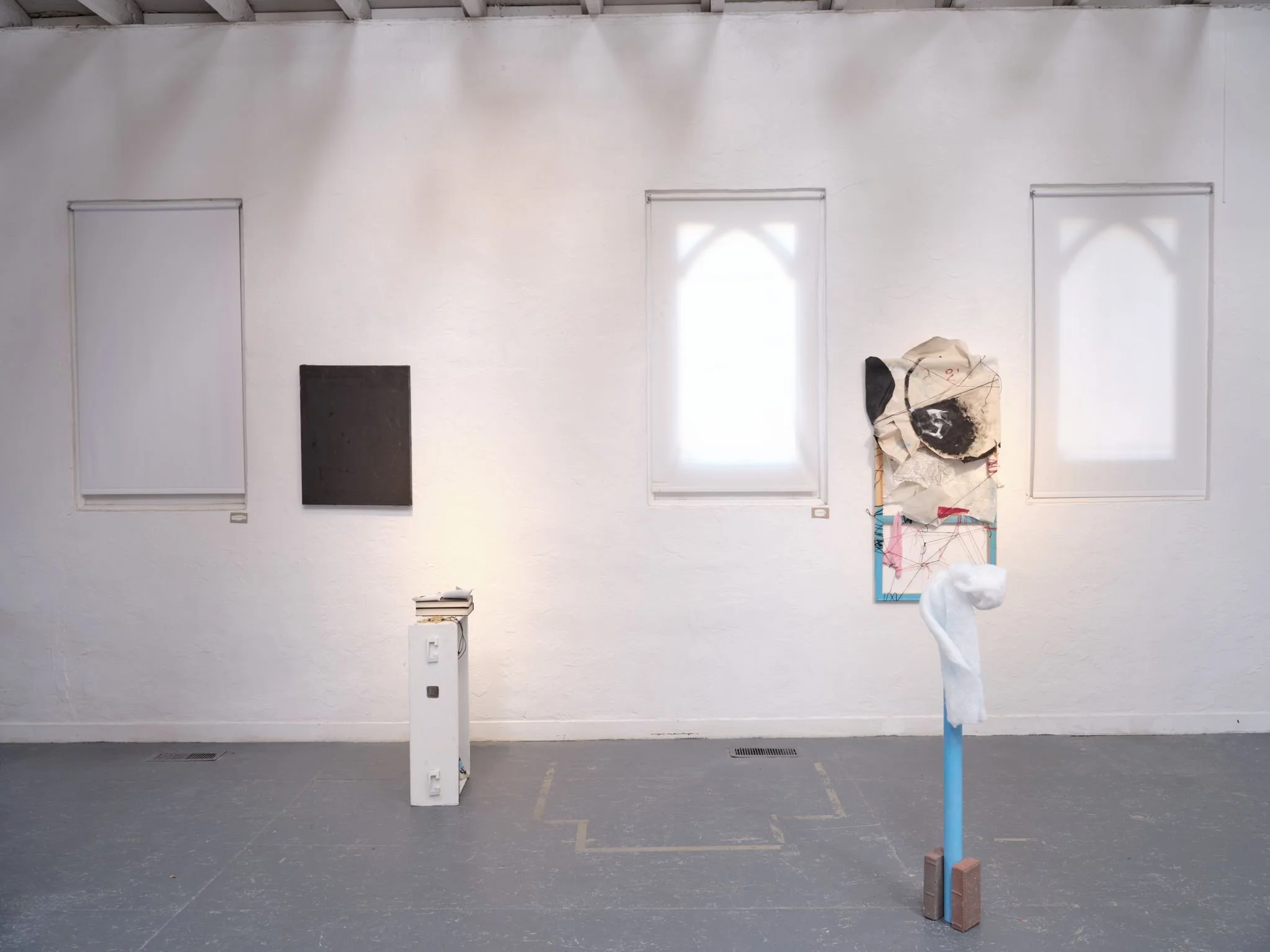
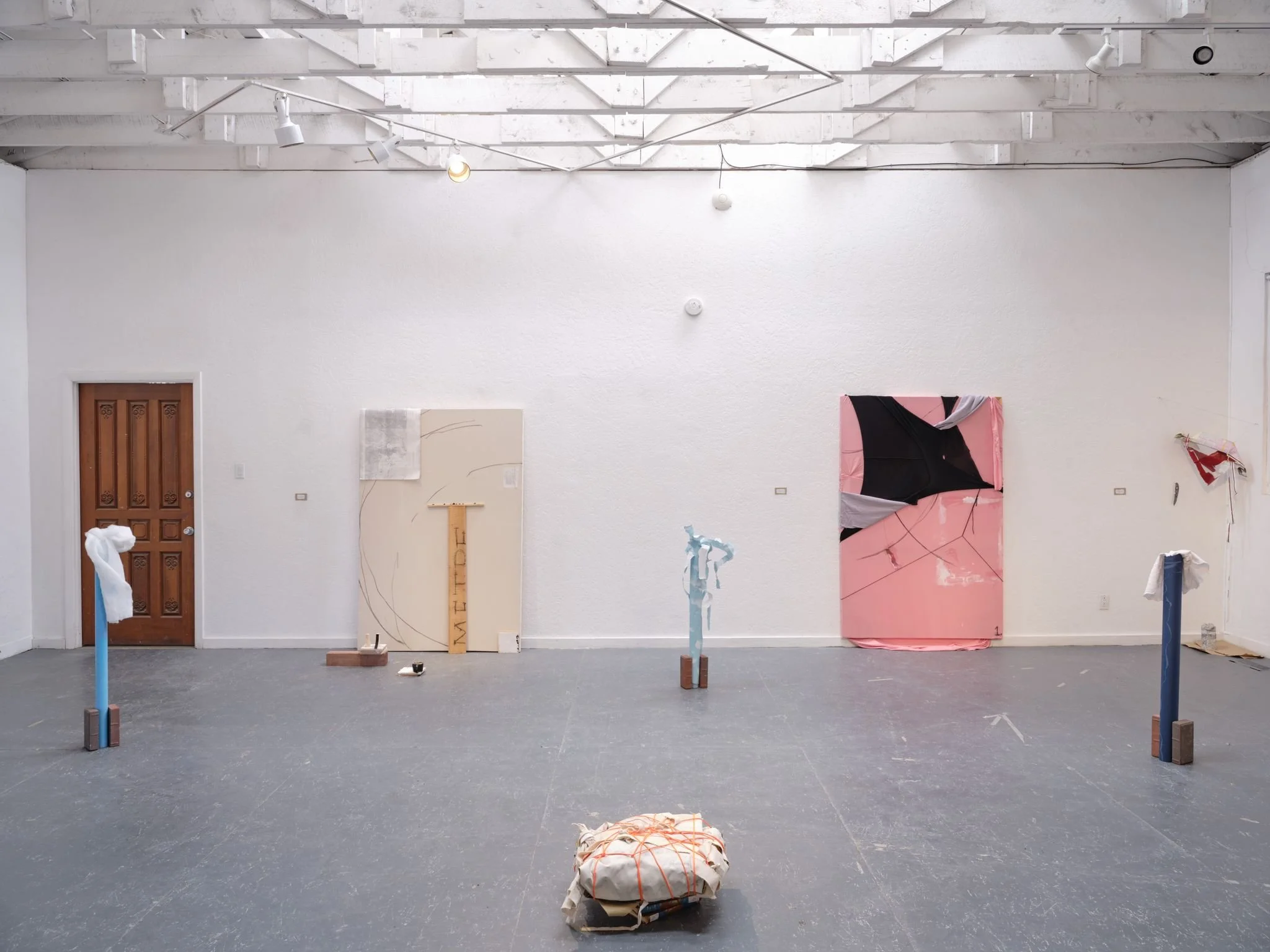
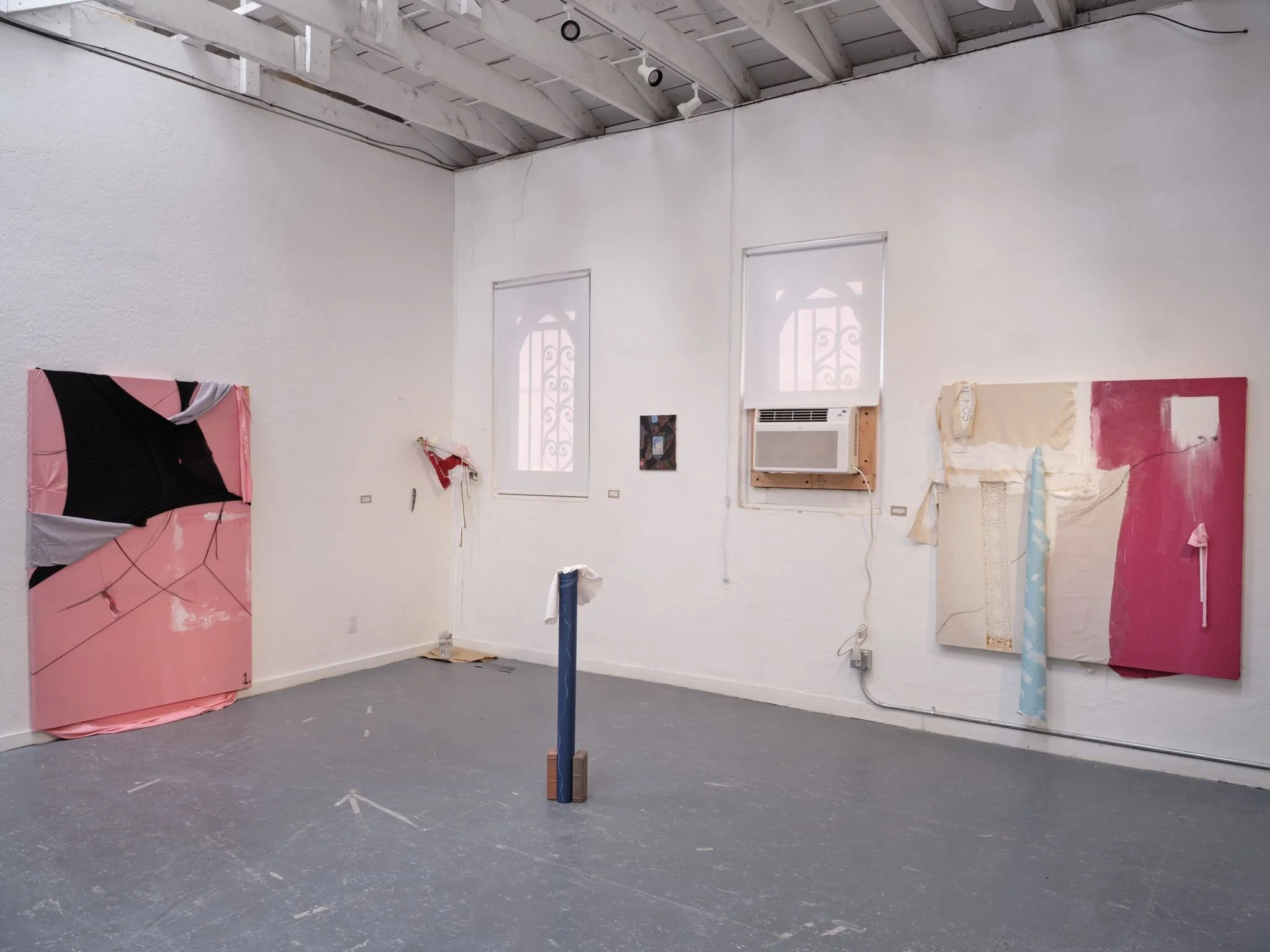
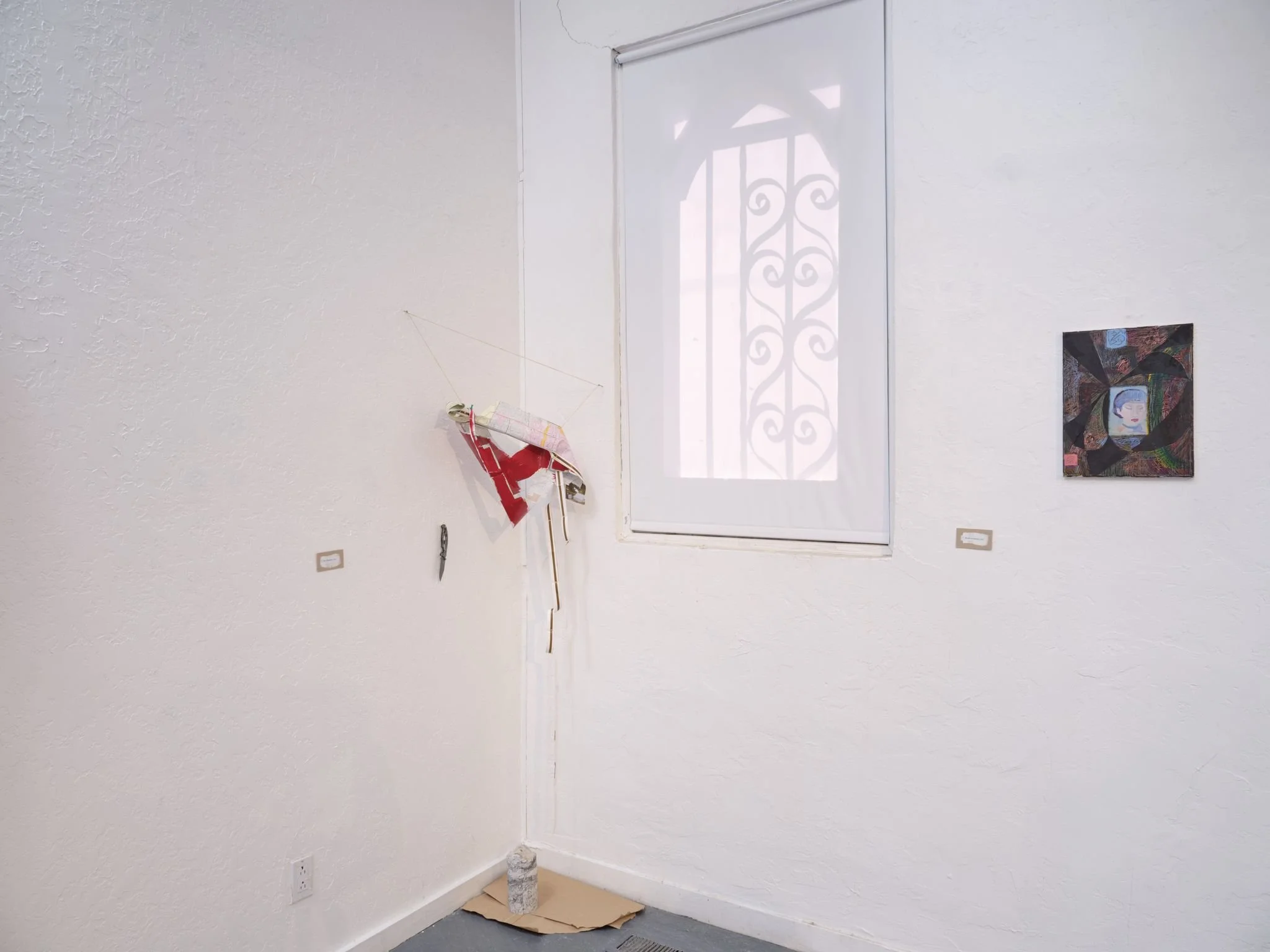
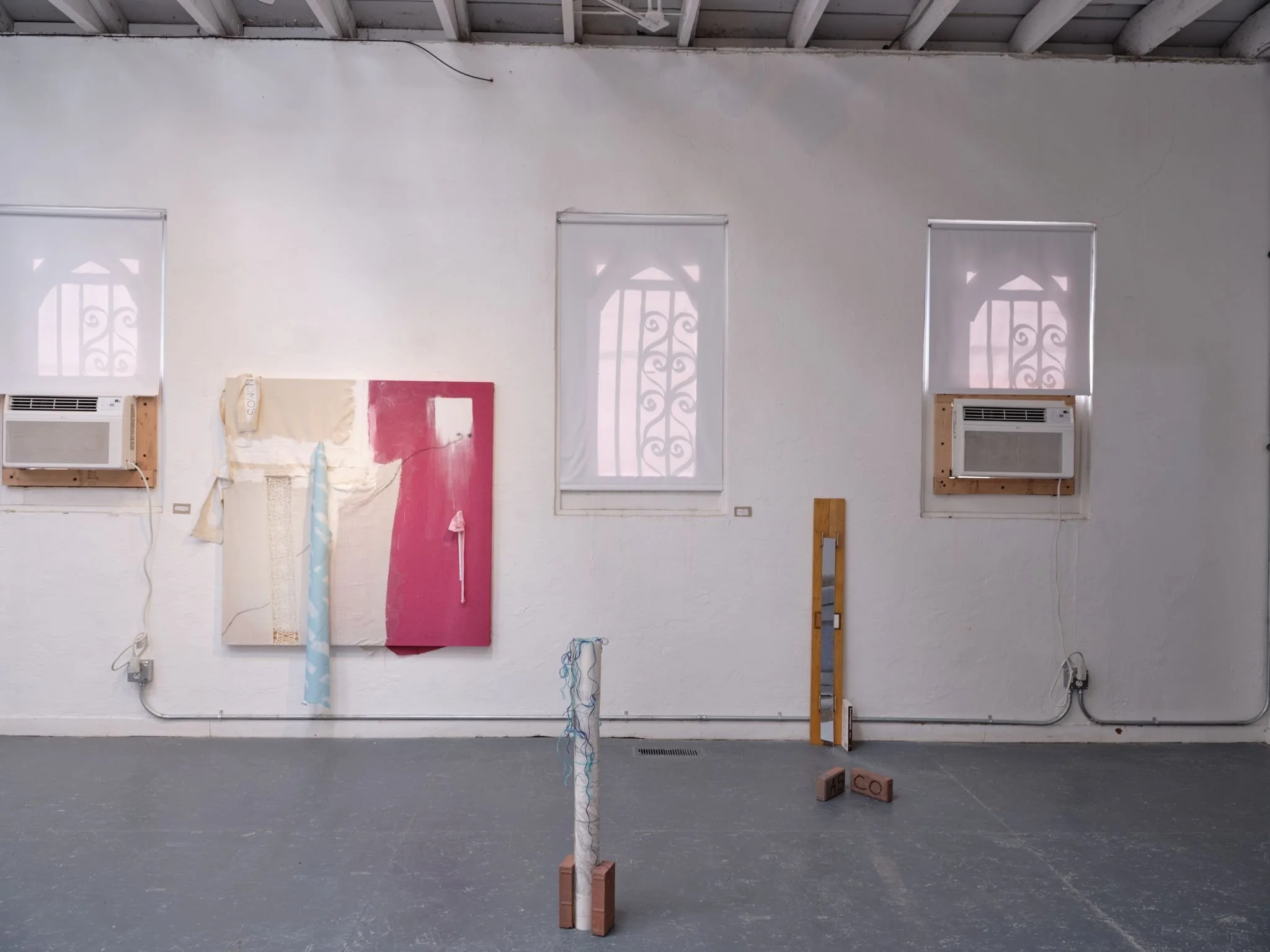
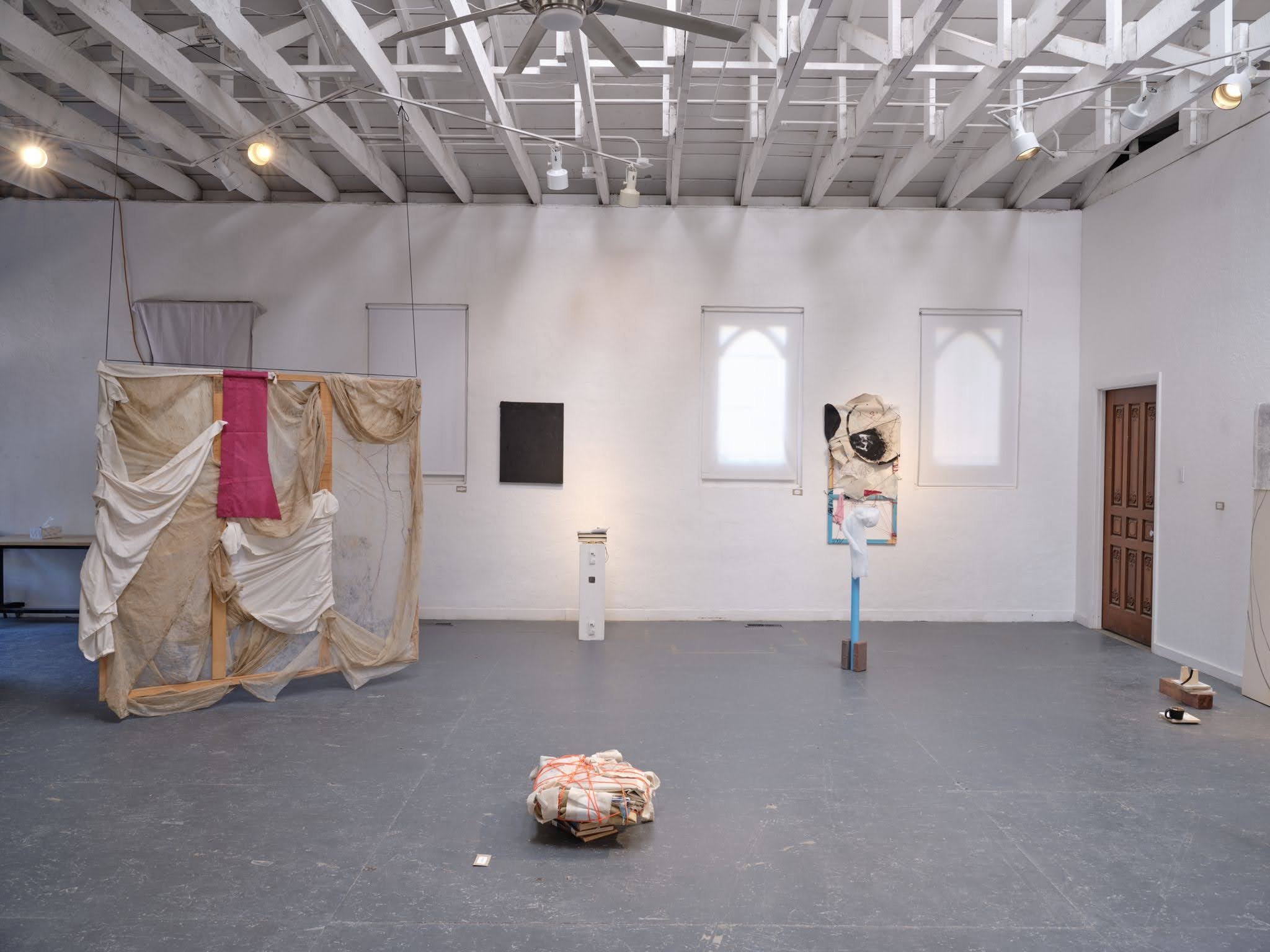
-
To silence someone is to create new frequencies for hearing, and in the same way, Tina Campt explores how sound and frequency can “question the grammar of the camera.” Listening to Images, 9
3.11 grammar includes things such as the “event” of the photograph being taken and the “event” recorded in the image, which are parallel structures by which we read the picture. Listening to Images, 8
3.12 It is a “haptic encounter,” which is both a touching and a hearing, which is a careful looking and a search for the “forms of refusal.” Listening to Images, 8
3.2 “terms and tenses” which make things legible, which is analogous to things being audible as intelligible.
3.21 In Campt, this enters as a form of pre-reading that is projected on the body
-
What are the theatrical mechanisms that are enacted in the archive?
I recognize that in grammar exists the capacity to shape meaning without people noticing, or to do things silently
------------------------------------------------------------------------------------------------------------------
Grammar is quotidian the way that culture is, and it exists as an “everyday practice of refusal enacted and inherited by dispossessed subjects.” Tina Campt, Listening to Images, 4
3.31 relates to quiet and to the frame around which the meaning is made—embodied in “identification photography” which is the focus of Campt’s Listening to Images
3.32 Quotidian, as in quotation necessary for keeping track of things: “photos are produced predominantly for the regulatory needs of the state or the classificatory imperatives of colonization.” Campt, Listening, 5
----------------------------------------------------------------------------------------------------------------------
3.4 Vernacular vs State cultures—oppositions which emerge as a dialectic between the material frame and the image it brings to the foreground expressing private and public divides
3.41 The “unexceptional format” of photography serves to “routinize” and bureaucratize the act of identification. Tina Campt, Listening to Images, 5
3.42 Opens up “access to the affective registers through which these images enunciate alternate accounts of their subjects.” Tina Campt, Listening to Images, 5
3.421 To access such affective registers allows for a deeper reading: Campt refers to this as a “rupture [of] the sovereign gaze,” which defines the visual mode of reading photographs.
-
This allows us to break past the ambivalences of the archive which is akin to the rupture of the sovereign gaze